

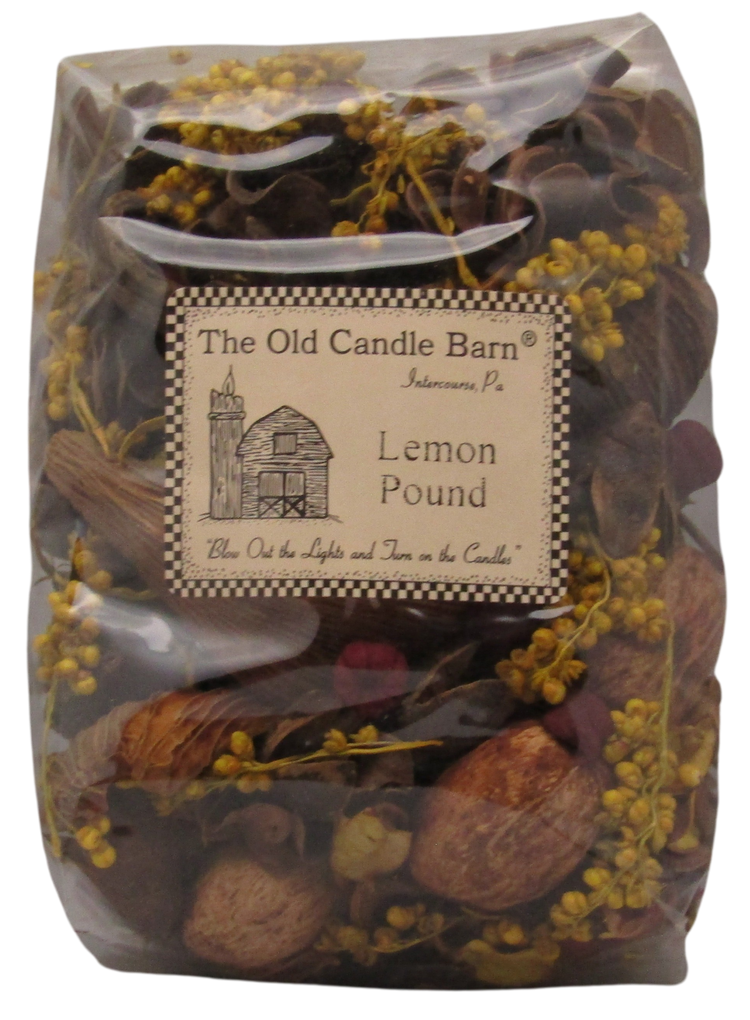
Store-bought potpourri is convenient and often excellent — but making your own gives you complete control over the scent, the look, and the ingredients. It's also one of the most satisfying simple crafts you can do at home. Everything you need is either growing in your garden, available at a grocery store, or already in your spice cabinet.
Here's a complete guide to making homemade potpourri from scratch.
The Four Elements of Potpourri
Every good potpourri blend has four components:
- Botanicals — the dried flowers, herbs, citrus, and plant material that make up the bulk of the blend
- Spices and accent pieces — cinnamon sticks, star anise, seed pods, pinecones, and other textural elements
- A fixative — an ingredient that absorbs and slowly releases fragrance oil, extending the life of the blend
- Fragrance oil or essential oil — the concentrated scent that ties everything together
Step 1: Gather and Dry Your Botanicals
Almost any flower, herb, or plant material can be dried for potpourri. Great choices include:
- Flowers: Roses, lavender, chamomile, marigolds, peonies, zinnias, statice
- Herbs: Rosemary, mint, thyme, lemon balm, bay leaves, eucalyptus
- Citrus: Orange, lemon, or lime peel (fresh or dried); dried citrus slices
- Seasonal elements: Pine needles, cedar chips, dried apple slices, acorns, pinecones
How to Air Dry Botanicals
The simplest drying method: bundle stems together with a rubber band and hang upside down in a warm, dry, dark place (a closet, pantry, or garage works perfectly). Most herbs and flowers dry completely in 1–2 weeks. Ensure good air circulation around the bundles — crowded bundles can develop mold.
How to Oven Dry Botanicals
For faster results, spread petals and herbs in a single layer on a parchment-lined baking sheet. Bake at the lowest setting your oven allows (around 150–170°F / 65–75°C) for 1–2 hours, checking regularly. The goal is thorough drying without browning or burning.
How to Dry Citrus Peels and Slices
Slice citrus thinly (about ¼ inch) and bake at 200°F (93°C) for 2–3 hours, flipping once. The slices should be fully dry and slightly leathery, not sticky. For peel only, spread on a baking sheet and dry at the same temperature for 1–1.5 hours.
Step 2: Choose Your Fixative
A fixative absorbs the fragrance oil you add and releases it slowly over time, dramatically extending how long your potpourri smells. The most common fixatives are:
- Orris root powder (dried iris root) — the traditional fixative, widely available online and in craft stores. Neutral scent, excellent absorption.
- Dried oak moss — earthy and woodsy, works especially well in woodland or forest-themed blends.
- Cellulose fiber — modern, neutral, and very effective.
- Dried citrus peel — doubles as both decoration and mild fixative in citrus-forward blends.
For most home recipes, 1–2 tablespoons of orris root powder per 4 cups of dried botanicals is the standard ratio.
Step 3: Blend Your Botanicals
In a large bowl, combine your dried botanicals, spices, and accent pieces. There are no strict ratios — go by visual and aromatic appeal. A general starting point for a 4-cup batch:
- 2 cups main flowers or botanicals (roses, lavender, etc.)
- 1 cup secondary botanicals (herbs, citrus peel, etc.)
- ½ cup accent pieces (cinnamon sticks, star anise, pinecones, etc.)
- 1–2 tbsp fixative (orris root powder)
Toss gently to combine without crushing the more delicate petals.
Step 4: Add Fragrance Oil
Sprinkle 15–20 drops of essential oil or fragrance oil over the blend. The oil should complement and enhance what the botanicals already offer — not override them.
Scent matching suggestions:
- Rose and lavender blend → rose or lavender essential oil
- Cinnamon and citrus blend → cinnamon bark or sweet orange oil
- Pine and cedar blend → cedarwood or pine essential oil
- Herb garden blend → rosemary or lemon essential oil
Step 5: Cure the Blend
This is the step most first-timers skip — and it makes an enormous difference. Transfer your blended potpourri to a sealed glass jar or zip-top bag and set it in a cool, dark place for 1–2 weeks. During this time, the fixative absorbs the fragrance oil and the botanicals marry together. When you open the jar after curing, the scent will be significantly more complex and longer-lasting than it was fresh.
Shake or stir the jar every few days during curing to distribute the fragrance evenly.
Step 6: Display and Enjoy
Transfer to a bowl, basket, or vase of your choosing. Stir weekly to release trapped fragrance. When the scent begins to fade (typically after 1–3 months of open display), add a few more drops of essential oil, toss, and let it re-cure in a sealed bag for 24–48 hours.
Simple Recipe Ideas to Start With
Classic Rose Garden: Dried rose petals, lavender, chamomile, lemon peel, orris root, rose essential oil.
Autumn Harvest: Dried apple slices, cinnamon sticks, star anise, orange peel, cloves, orris root, cinnamon essential oil.
Winter Forest: Pine needles, cedar chips, dried cranberries, cinnamon sticks, orris root, cedarwood essential oil.
Fresh Herb Garden: Dried rosemary, mint, lemon balm, bay leaves, dried lemon peel, orris root, rosemary essential oil.
Shop Potpourri Ingredients and Blends at anything4home
Whether you're making your own or looking for a beautifully crafted ready-made blend, browse our potpourri collection. We carry a range of quality botanical blends that work perfectly as-is or as a base for your own custom creations.

